
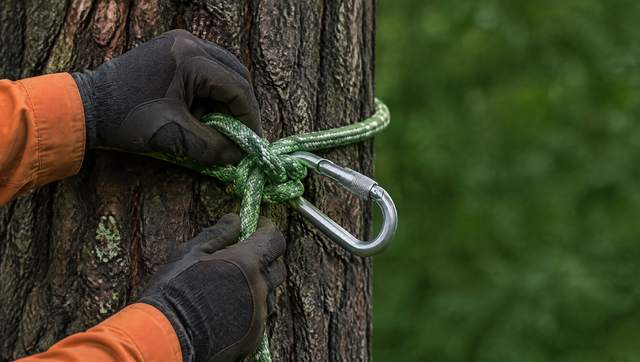
Storm damage and fallen trees in Hamilton
If anyone is hurt or in danger, call 111. A tree touching a street line is WEL Networks' to deal with, and WEL takes outage and fault calls at any time. Treat every line as live, even one lying on the ground, and keep people and pets well back. Once everyone is safe, take photos for your insurer and leave hanging branches for an arborist. A council street or park tree that's come down goes to Hamilton City Council.
Council tree rules in Hamilton
Hamilton City Council's District Plan protects more than 350 native and exotic trees for their heritage value. Most stand in the older parts of the city, especially Hamilton East and Claudelands, and council says many are over 100 years old.
Council's position on these trees is short: protected trees, on private or public land, can't be removed. For other work on one on private land, it asks you to get in touch first and says a resource consent will probably be needed. Our Hamilton permit page walks through finding a tree on the list.
The heritage and natural environment rules were reviewed through Plan Change 9, which became fully operative on 13 October 2026. If your LIM or an old quote was written before then, check the current District Plan instead of relying on it.
Tree removal in Hamilton: what's local
Gully sections
Hamilton has six significant gully systems plus smaller ones, and council says half of the gully land is privately owned. Gullies are among the city's Significant Natural Areas, whose rules sit in Chapter 20 of the District Plan, so clearing on a gully bank deserves a call to council first.
Long-tailed bats
Places where long-tailed bats live are Significant Natural Areas too. Council ranks the bats nationally critical and names felling their roost trees as a threat, so an old tree with hollows near a gully needs a closer look before it comes down.
Old kahikatea country
Before farms and streets, the lowlands and gully floors were kahikatea and pukatea forest. Kahikatea still stand in Te Papanui Jubilee Bush and Hillcrest Park, but council says only 2% of the city's native cover remains.
Street trees
Council looks after more than 100,000 trees on berms and in parks, and says nobody should prune or remove one without its permission. If your own tree hangs over a public footpath, council may ask you to cut it back.
Storms, wind and WEL's lines
Council's hazard page says Hamilton is vulnerable to severe storms, including cyclones and tornadoes. Before the February 2023 storms it warned that uprooted trees and falling branches are one of the biggest threats in strong winds. The time to look over a big tree near the house is before the next forecast blow.
WEL Networks runs the lines here and describes trees near them as a shared job between the owner and WEL, under the Electricity (Hazards from Trees) Regulations 2003. If WEL sends a First Cut or Trim Notice, you can give consent online. WorkSafe's arboriculture code keeps people four metres from lines unless the line owner agrees in writing, so a tree that close is work for an approved utility arborist. The power lines guide explains the notices.
Common tree jobs in Hamilton
Big old exotics in the older suburbs, weedy growth on private gully banks, and the stump left after a removal are the jobs this city's layout produces. Stumps have their own page: stump grinding in Hamilton.
Plenty of people ask for a tree to be topped. Arborists steer people away from topping (cutting the top back to stubs) because the regrowth is weakly attached and needs constant work, and a crown reduction makes the tree smaller properly. Lopping vs pruning shows the difference.
A neighbour's tree is a private matter here: council says it stays out of those disputes and that they're best handled by lawyers. Community Law's advice is to talk to your neighbour first, and our neighbours' trees guide covers what the Property Law Act 2007 allows. Council doesn't take tree debris away from private property either, so make sure the quote says where the wood and chip end up.
Hiring an arborist in Hamilton
We'd check the District Plan's protected tree list and the Significant Natural Area map before anything else, especially in Hamilton East, Claudelands or on a gully edge. If the tree shows up on either, ring council before booking anyone. Then get an arborist to look in person and put the plan in writing: how it comes down, the stump and the clean-up. Anything near a line goes to WEL first.