
Trees we get asked about
Pick your tree for how it grows and when it's arborist work.
Pick your tree below for how it grows, where it causes trouble, what you can prune yourself from the ground and when it's a job for an arborist.
Which page do you need?
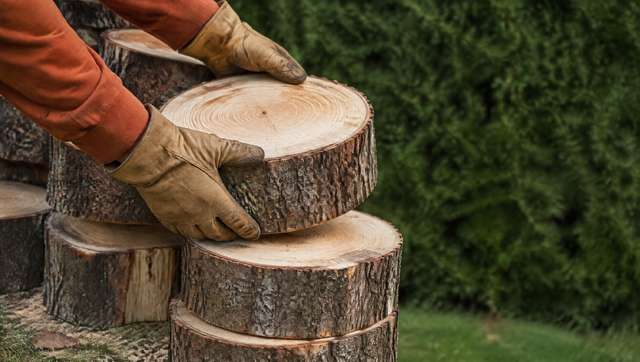
Macrocarpa for shelter belts and big old cypresses: how large they get, why they topple, the risk to cattle next door, and what to know before a belt comes out.
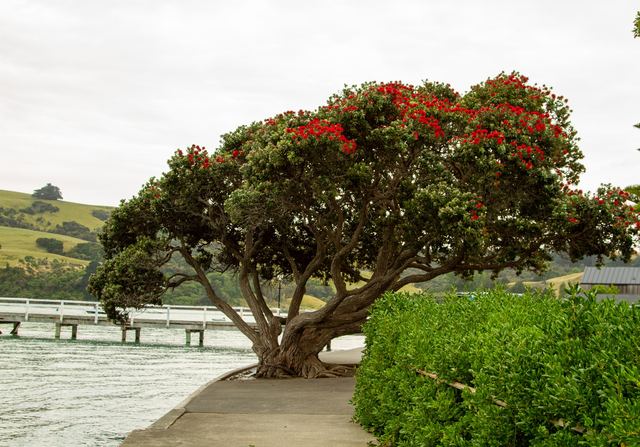
Pōhutukawa for the coastal native: how far it spreads, myrtle rust and possums, keeping cars off its roots, and why it's so often covered by council rules.
Fig trees for edible figs in the garden, and the big ornamental figs whose seedlings can take hold in other trees, walls and old buildings.
Olive trees for backyard trees and lifestyle block groves: when commercial growers prune, fruit drop, and the fungal diseases to watch for.
Tree not listed here?
Kauri come with their own national rules, covered in the kauri dieback and myrtle rust guide. Palms, including nīkau, are on the palm tree page, and fruit trees in general are on fruit tree pruning.
If you're not sure what's wrong with a tree, start with is my tree dead?. If you think it might be protected, the notable trees guide shows how to check.
Two things that hold for every tree
Small pruning you can do from the ground with secateurs, loppers or a pruning saw is yours to do. Anything that needs a ladder, a climb or a chainsaw is an arborist's job, whatever the species.
Whether a tree is protected depends on your council's district plan, which can turn on the individual tree, its species, its size or where it grows. Check with the council before any big cut or a removal, and you won't be caught out.
Trees we get asked about
More on trees we get asked about