
What a clear quote covers
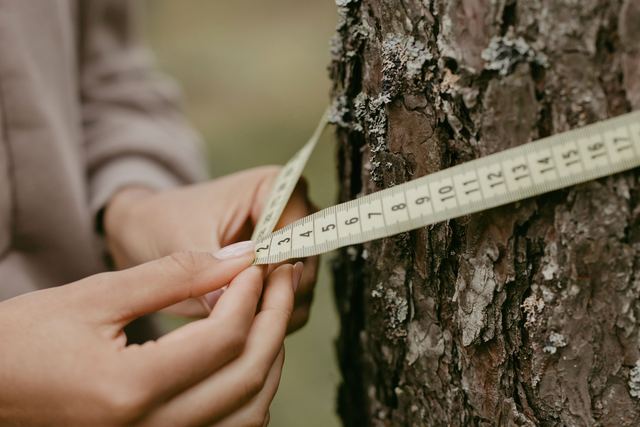
- Which trees, described so nobody can mix them up: species, where each stands, a photo or a mark.
- The work itself: full removal, or exactly what's pruned and how much comes off.
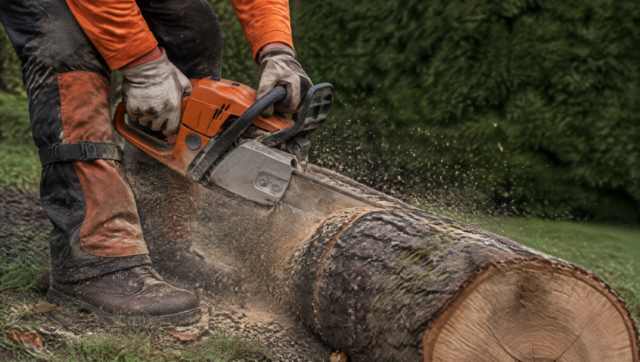
- How it comes down: in sections, lowered on ropes, by crane or from a mobile platform, and what protects the roof, fences and garden.
- The stump: left, cut low, or ground out, and how deep.
- The branches, logs and chips: taken away, chipped and left, or cut to lengths and stacked.
- Consent: whether it's needed, who applies, and whether an arborist's report is included.
- Underground services: who lodges the beforeUdig enquiry if there's grinding or digging.
- Access: where the truck parks, what needs moving, and any permission needed from a neighbour.
- Timing, and what happens if the weather turns.
- Whether GST is included, and when payment is due.
- What's not included.
Vague lines, and what you'd rather see
| Vague | Clear | |
|---|---|---|
| The tree | Remove tree | Remove the large pine by the back fence in sections, lowering over the garage roof |
| Pruning | Trim tree | Remove deadwood and reduce the crown on the house side, cutting back to side branches |
| Stump | Stump extra | Grind the stump below ground level and leave the chips in the hole |
| Clean-up | Tidy up | Chip all branches and take them away; cut logs to lengths and stack them by the shed |
| Consent | Council sorted | Arborist to apply for resource consent; work starts once the council's decision is in |
| Services | Not mentioned | beforeUdig plans obtained before grinding starts |
Words a quote should explain
Arborists use shorthand, and a good one will happily translate. Crown reduction means shortening branches back to side branches so the tree is smaller but keeps its shape. Crown thinning means taking out selected branches through the canopy to let light and wind through. Crown lifting means removing lower branches to clear a roof, path or driveway. Deadwooding means removing dead branches still on the tree.
If a quote talks about topping, or cutting a tree back to a set height, ask what cut they mean. Cutting branches back to stubs is a different job from pruning, and our topping and pruning guide explains why that matters.
Storm jobs and insurance
After a storm, the quote and your insurance need to line up. The Insurance Council says damage a tree causes to an insured structure, like a house, garage or fence, is generally covered, along with removing the parts of the tree that caused it, but house cover doesn't extend to removing the rest of a tree still in the ground.
So ask the arborist to split the quote: the parts that hit the house in one section, the remaining tree and stump in another. The Natural Hazards Commission can contribute to clearing debris such as fallen trees from insured land, up to its land cover cap, but says it can't pay you for clean-up work you do yourself. Talk to your insurer before you sign anything. Our storm guide has more.
Rules the quote should respect
If the tree is listed, the quote should fit the rules or include the consent. Trimming an Auckland notable tree is permitted only if no branch over 50 mm is cut, no more than 10 per cent of live growth goes in a calendar year, and best arboricultural practice is met. Anything beyond that needs resource consent, and the quote should say who's applying. Our notable trees guide covers listings.
Near kauri, look for hygiene in the quote. Tiakina Kauri's message for contractors is to arrive clean, stay clean and leave clean, and earthworks within a kauri hygiene zone need an earthworks risk management plan.
Near power lines, check who is doing that part. Only qualified and approved utility arborists may trim trees within 4 m of a network line, so that section belongs with the lines company's contractor.
And the job should finish with nothing left hanging: WorkSafe's 2012 arboriculture code says partly cut branches or hangers must not be left unsecured in trees when work is finished.
Comparing two or three quotes
Put them side by side
Copy each quote into the same list: trees, work, method, stump, clean-up, consent, services, timing and exclusions.
Find the gaps
Anything one quote includes and another leaves out is a question to ask, not a saving.
Ask in writing
Email each arborist the gaps and ask for an updated quote. A quick, clear reply tells you a lot about how the job will go.
Check the person
Qualifications and insurance matter as much as the paperwork. Our guide to checking an arborist lists what to ask.
Agree how surprises are handled
Ask what happens if they find rot or a hidden hazard once work starts, and how any change will be agreed with you first.
Quote warning signs
- One line, with no detail on method, stump or clean-up.
- Topping offered as the way to make a tree smaller.
- A large deposit asked for before a date is even booked.
- Consent waved away without anyone checking the district plan.
- Work on a tree near power lines from someone who isn't an approved utility arborist.
- No business name or contact details on the quote.
Reading a tree quote: what to do next
We'd choose the quote that leaves the fewest questions, which isn't always the longest one. If a quote doesn't say how the tree comes down or what happens to the stump and the mess, we'd ask before comparing anything else. And for a storm job, we'd get the insurer's view of the quote before anyone starts.
Want an arborist to look at it?
Tell us the job and your postcode, and a local arborist calls you to talk it through.